
Cotton
Kharif Cotton Stage-wise Care Guide for Telangana and Palnadu
Know the cotton calendar
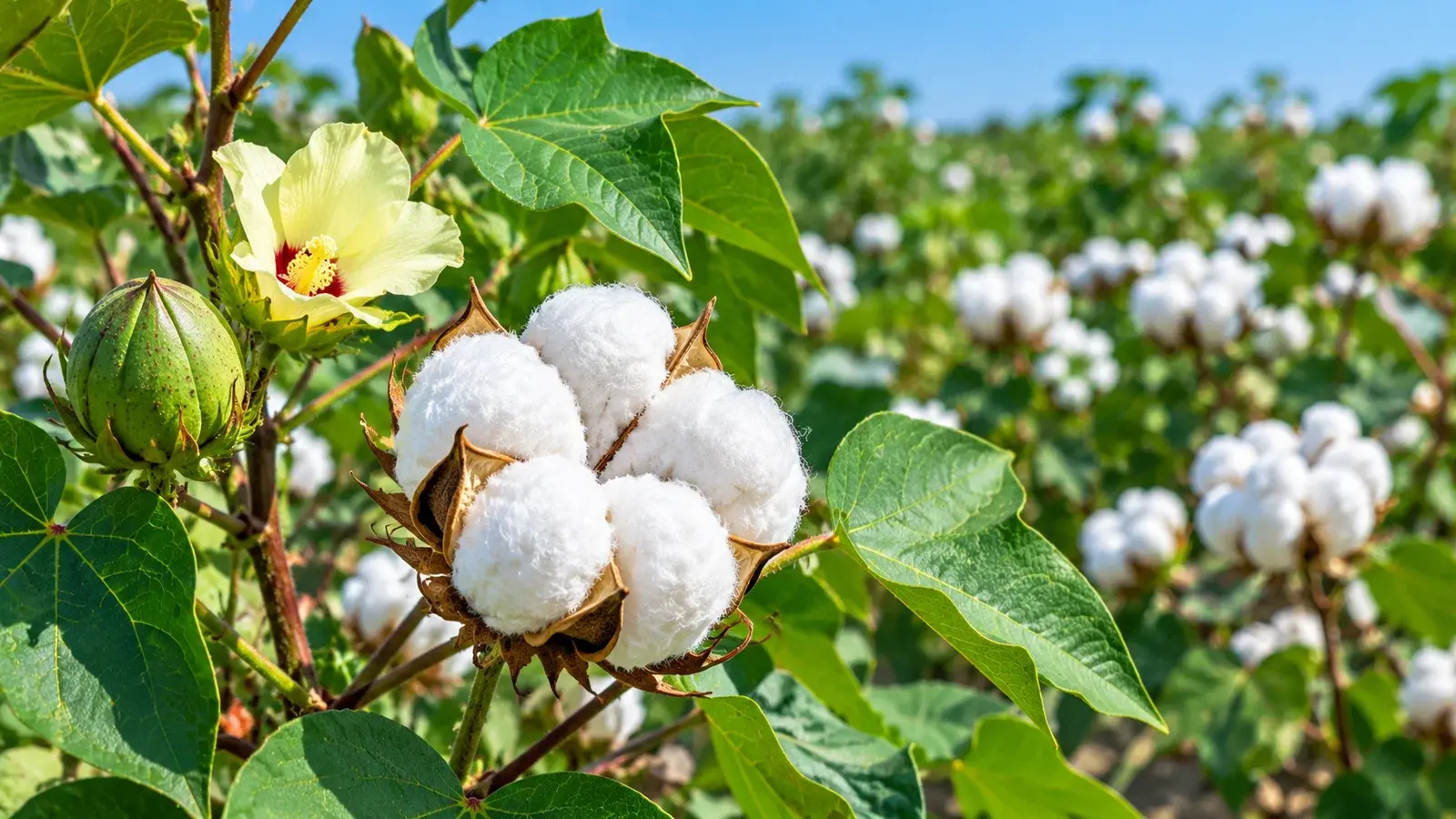
ICAR-CICR's 2026 illustrative guide divides the cotton season into stages by days after sowing (DAS): squaring at about 45-70 days, flowering and boll setting at 70-120 days, boll development and maturity at 120-150 days and harvesting at 150-180 days. CICR's August 2026 advisories showed the Adilabad crop at square formation at 46-51 days and at squaring to flowering at 53-58 days, the earlier-sown Warangal crop at flowering at 63-74 days, and Guntur-Palnadu still finishing sowing as fields waited for 60-75 mm of rain.
Stage 1: Sowing with the monsoon (June to July)
Telangana timing: The ICAR 2025 kharif advisory for Telangana says sow early, by the first or second week of June, after at least 60 mm of rain, and never sow rainfed cotton after July 20. The sowing rule: 50-60 mm cumulative rain in light soils, 60-75 mm in heavy soils, or soil wet to 15-20 cm.
Andhra Pradesh timing: For AP it gives June to mid-July in red soils and July to mid-August in black soils, avoiding light red soils without irrigation. CICR's Guntur advisory wants 80-100 mm of rain first: no dry sowing.
Land: Deep summer ploughing destroys pest eggs and weeds. Use ridge and furrow in medium soils and broad bed and furrow in black soils to hold moisture and drain excess water.
Community sowing: A village should finish sowing within 7-10 days; staggered fields keep pests going longer.
Spacing and companions: 120 x 60 cm down to 90 x 30 cm by soil and rainfall. Intercrop greengram, blackgram, soybean or clusterbean (1:2 or 1:3) or redgram (4:1 to 8:1); sow two or three border rows of maize or sorghum; in AP, keep non-Bt cotton or redgram around Bt cotton as refuge.
HDPS option: PJTSAU's KVK Wyra promotes about 25,000 plants per acre at 90 x 15, 80 x 20 or 75 x 25 cm with short-duration compact varieties: shorter fruiting window, earlier maturity, less labour and somewhat less pink bollworm.
Seed treatment: Treat seed as per label and your AO / ANGRAU / PJTSAU recommendation.
Stage 2: Seedling to square formation (0-70 days)
Weeds and moisture: Hoe periodically; CICR's Adilabad advisory notes hoeing conserves moisture as well as controlling weeds. Use mechanical weeders early.
Top dressing: CICR's Warangal advisory times nitrogen and potash top dressing at 40, 60 and 80 DAS in rainfed cotton, only after rain. Avoid excess nitrogen; succulent growth attracts pests.
Sucking pests: Install yellow and blue sticky traps (about 10 of each per acre, as advised for Warangal); for control follow the label and your AO / ANGRAU / PJTSAU.
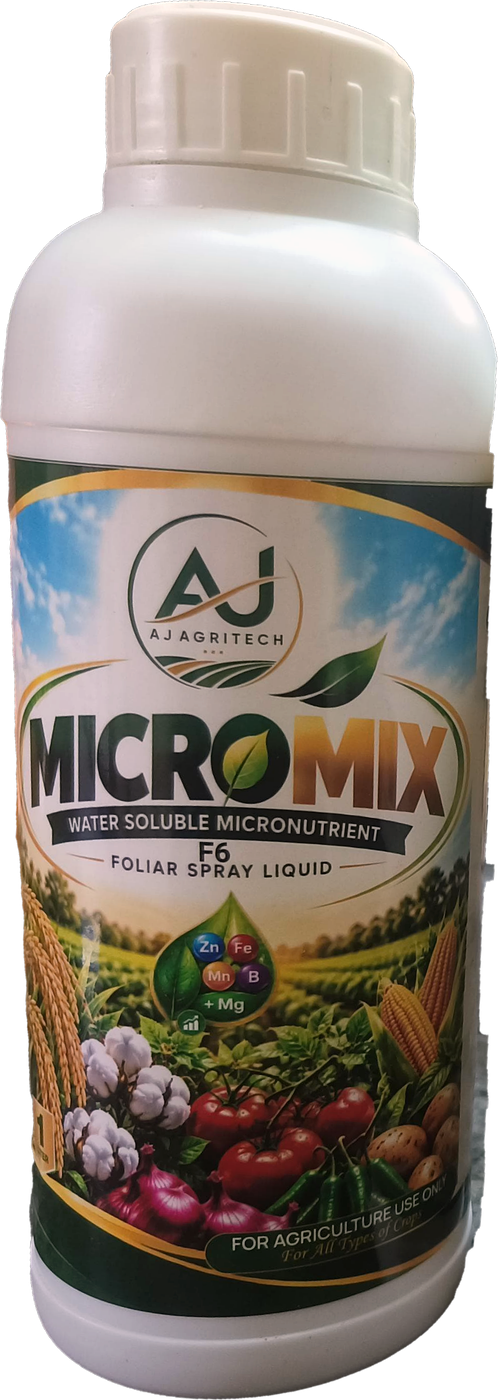
Micronutrients: The ICAR advisory for both states lists magnesium, zinc, boron and iron deficiencies, corrected by foliar sprays at about 45-90 DAS. Use a water-soluble micronutrient spray as per label once your AO confirms the symptom.
Pink bollworm traps: Install pheromone traps from the start of squaring (40-45 DAS); see our pink bollworm monitoring article for counts and thresholds.
 AJ Micromix F6View details
Stage 3: Flowering and boll setting (70-120 days)
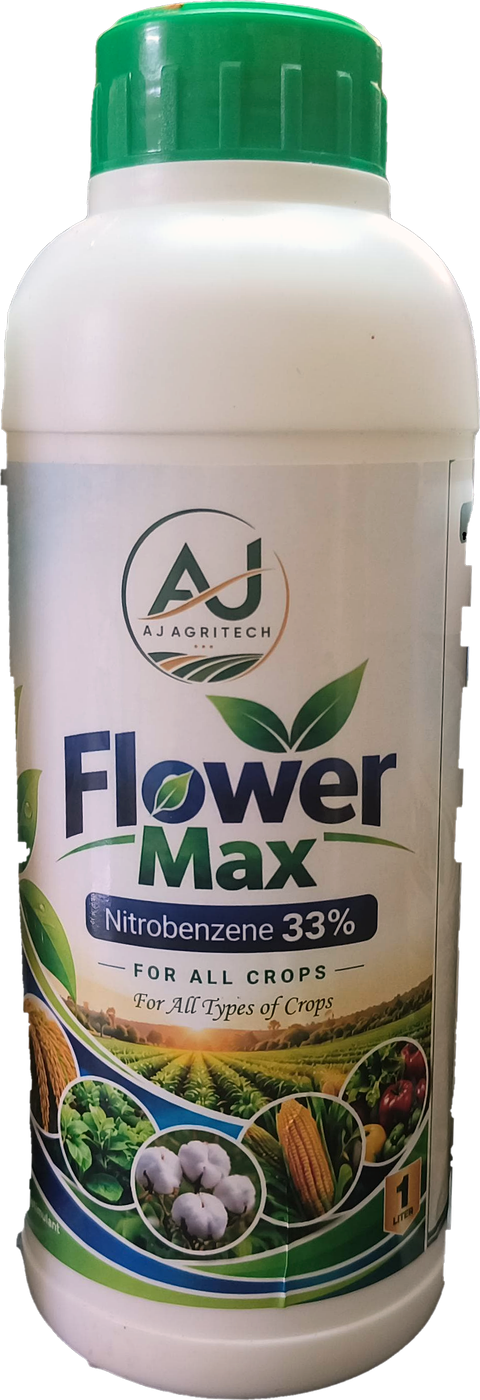
CICR rates pink bollworm risk here as very high: remove and destroy rosette flowers (petals stuck together). For flower drop and boll set the advisories agree on two things. First, drain excess water within hours; the ICAR Telangana and AP advisories follow waterlogging with a nitrogen and potash top dressing and a foliar water-soluble fertiliser, and the same foliar nutrition helps in drought. Second, CICR's weekly advisory recommends foliar potassium nitrate weekly once flowering starts "in order to reduce flower drop and improve boll set". Follow the label dose or your AO's advice. A flowering-stage booster can be used alongside, as per label.
 AJ Flower MaxView details
Stage 4: Boll development and maturity (120-150 days)
Keep cutting open 20 green bolls per acre weekly for pink bollworm; CICR says the pest peaks in October-December in south India, just when our bolls fill.
Do not push the crop with late nitrogen or extra irrigation to force a second flush; CICR advises terminating the crop as early as economically feasible.
In prolonged wet weather watch for boll rot and consult your AO.
Stage 5: Picking and closing the season (150-180 days)
Pick opened bolls after the morning moisture has dried, as CICR advises for stress-opened bolls.
Pick clean cotton and pink bollworm-damaged cotton separately; do not store stained seed cotton.
Do not extend the crop beyond about 180 days and do not take a ratoon. Let animals graze the field after the last picking.
Stack stalks away from the field or shred them into the soil; clear partially opened bolls and residues at once. ANGRAU's KVK Garikapadu puts removal of the previous season's plants and deep summer ploughing first in pink bollworm management.
Quick checklist
Sow only after the sowing rule is met (60 mm plus in Telangana; 80-100 mm in Guntur); no rainfed sowing after July 20 in Telangana.
Ridge and furrow or broad bed and furrow; community sowing within 7-10 days.
Border rows of maize or sorghum; refuge of non-Bt cotton or redgram.
Top dress N and K at 40, 60, 80 DAS after rain; no excess nitrogen.
Sticky traps for sucking pests; pheromone traps from 40-45 DAS.
Foliar micronutrients as per label when deficiency shows; drain fields within hours of heavy rain.
Foliar potassium nutrition at flowering as recommended to reduce flower drop.
Terminate by 180 days; separate picking; stalks out of the field; summer ploughing.
Sources
ICAR Kharif Agro-Advisories for Farmers 2025 (Telangana and Andhra Pradesh sections) — Indian Council of Agricultural Research, New Delhi
Twelfth Weekly Advisory for Cotton Cultivation from 27th August to 02nd September, 2026 — ICAR-Central Institute for Cotton Research, Nagpur
An Illustrative Guide for Integrated Management of Cotton Pests, Diseases and Nematodes (2026) — ICAR-Central Institute for Cotton Research, Nagpur
Training Programme on Management of Pink Boll Worm at Pallipadu (V), Konijerla (M), 04.11.2022 — PJTSAU - KVK Wyra, Khammam